
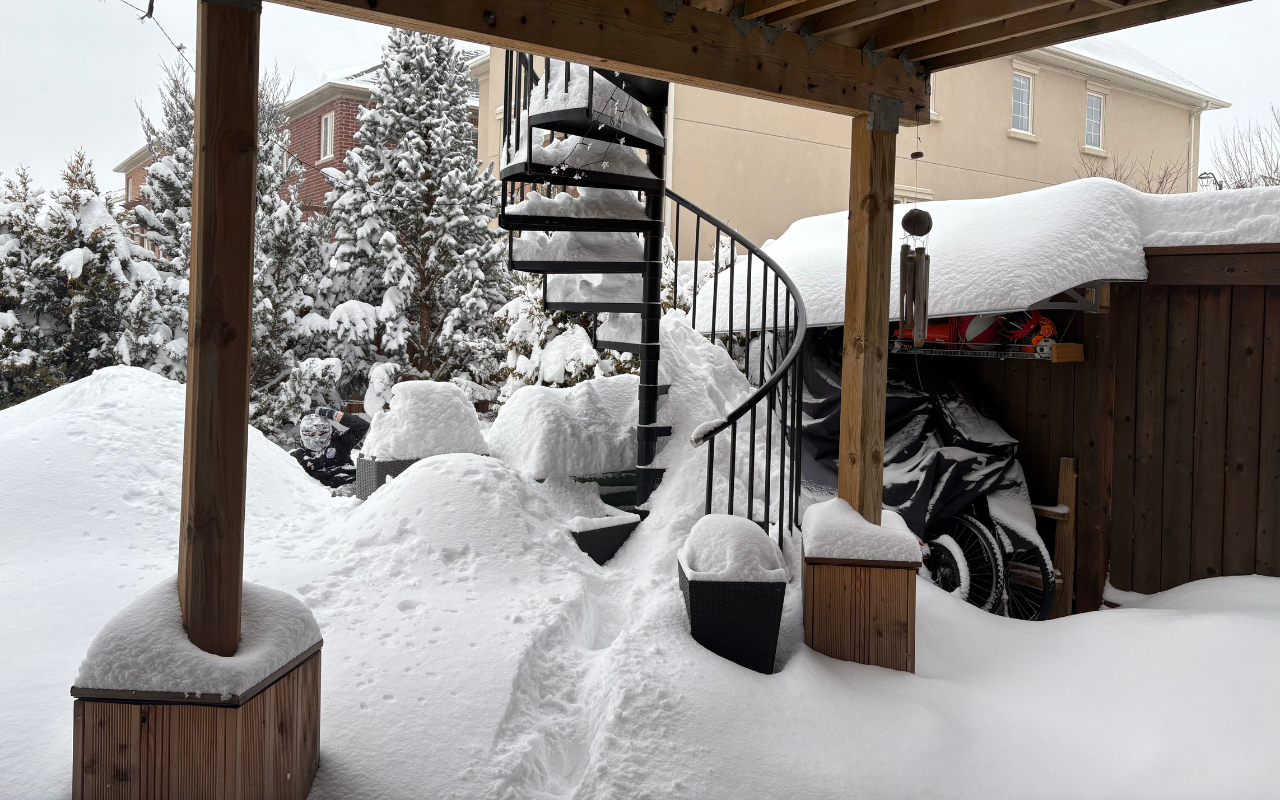
In many parts of Canada, snow and ice are just part of life. Winters can be long, cold, and full of surprises. That’s why it’s important to choose home features that can stand up to the weather—and polycarbonate awnings do exactly that. Built with strength and smart design, these awnings are made to handle Canadian winters with ease.
Designed for Cold, Snowy Seasons
Polycarbonate awnings are strong yet lightweight. The panels are made from impact-resistant plastic that doesn’t crack, sag, or break in cold temperatures. Unlike fabric awnings, they don’t absorb moisture or become heavy when wet. And compared to metal, they don’t rust or dent from ice buildup.
The panels flex slightly, which helps them take on the weight of snow without permanent damage. This makes them perfect for normal winter conditions in most parts of Canada, where snowfall can be frequent but not always extreme.
Smart Sloped Design Helps Handle Snow
One of the biggest advantages of polycarbonate awnings in winter is their sloped design. This angled surface helps snow slide off on its own instead of piling up. That means you don’t have to constantly shovel snow off your awning, and there’s less pressure on the brackets and structure.
As temperatures rise or sunlight hits the panels, even icy layers start to melt and slide off. This natural self-clearing ability helps keep your awning working well all season long.
Protects Your Home’s Entry Points
Winter weather isn’t just a nuisance—it can also cause real damage. Snow piling up near doors, ice freezing around hinges, and water leaking into door frames are all common issues. But a polycarbonate awning helps prevent these problems.
By keeping the area above your door dry, the awning blocks snow and ice from building up directly at the entrance. It keeps stairs and walkways clearer, so you’re less likely to slip when coming or going. It also helps stop ice from forming right at the doorway, which protects both the door and the threshold over time.
Lets in Light While Blocking Snow
Another big plus is that polycarbonate awnings come in clear or tinted panels. This means they let in natural light, even when the sky is grey or the ground is covered in snow. Unlike metal covers that block sunlight, polycarbonate brightens up the space underneath without letting in the cold or moisture.
This is especially helpful for entrances to basements or side doors, where daylight might already be limited. Even during snowy weather, you can enjoy a brighter, more welcoming space.
Built to Last Through Winter and Beyond
Those Durable polycarbonate awnings are made to handle Canadian weather all year round—not just winter. They stay in place through snow, rain, wind, and sun. There’s no need to remove or store them when the seasons change. They’re tough, long-lasting, and don’t need much attention to stay looking good.
And when the snow finally melts, your awning will still look clean and modern without sagging, rusting, or needing repairs.
What About Extreme Storms?
While polycarbonate awnings are strong enough for typical Canadian snow and ice, no awning is made to support the weight of extreme storms—the kind that bring down tree branches or damage roofs. If your area gets a heavy snowstorm, gently clear off large amounts of snow to help your awning last even longer. This is a simple step that can protect your home and investment.
Conclusion
Polycarbonate awnings are a smart solution for snowy and icy Canadian winters. Their strength, sloped design, and weather resistance help them handle snow buildup naturally while keeping your doors and walkways protected. They let in light, stay in place all season, and need little maintenance. If you’re looking for a winter-ready upgrade for your home, polycarbonate awnings are built to take on snow and ice—without missing a beat.