Frequently Asked Questions
Find answers to the most common questions about permanent door awnings, window awnings, canopy systems, shipping, installation, warranties, and maintenance. Whether you are planning a DIY installation or comparing awning options for your home, our FAQ section provides helpful information for homeowners, contractors, and DIY enthusiasts across Canada.
Best in Class Warranty
We stand behind our products
Local Customer Service
Based in Ontario, Canada
100% Secured Checkout
PayPal / MasterCard / Visa
Free Shipping
On all orders Canada-wide
Browse by Topic
Are awnings worth it?
Yes. Permanent awnings provide year-round protection from sun, rain, snow, and other weather conditions while enhancing the appearance and functionality of your property. They can help protect entrances, windows, patios, and outdoor living areas while creating a more comfortable and usable space throughout the year.
Do awnings increase home value?
Awnings can enhance curb appeal and improve the overall appearance of a property. While they may not directly increase appraised value, professionally installed awnings can make a home more attractive to potential buyers by adding both visual appeal and practical outdoor protection.
Can awnings reduce cooling costs?
Yes. By blocking direct sunlight before it reaches windows and doors, awnings can help reduce indoor heat gain during warmer months. This can improve comfort inside your home and may help lower cooling costs.
How long do awnings last?
A high-quality fixed awning can provide decades of reliable performance when constructed from durable materials and properly installed. The lifespan will vary based on the product, environment, and maintenance, but quality aluminum and polycarbonate awnings are designed for long-term, year-round use.
What is polycarbonate?
Polycarbonate plastics, or PC plastics, are a type of clear thermoplastic widely used for their transparency and versatility. They’re employed in various products requiring impact resistance and transparency, like bullet-proof glass and plastic lenses. Polycarbonate is heat-resistant and can be combined with flame retardants without significant degradation. It’s commonly used in automotive parts, protective gear, CDs, DVDs, and outdoor lighting fixtures. Polycarbonate is favoured for its flexibility, akin to aluminum sheet metal, making it suitable for applications where sheet metal isn’t viable. Overall, it’s a versatile material ideal for numerous applications due to its transparency, impact resistance, and flexibility.
What are the advantages of polycarbonate?
Polycarbonates are a group of thermoplastic polymers. Their strength and toughness allow them to be used as either commodity or engineering plastics. They have a superior service temperature range, impact resistance, and optical quality. It’s exceptionally durable and lightweight, a great alternative to glass for windows. With sheets 250 times stronger than glass, it ensures security and longevity. Polycarbonate panels are virtually unbreakable, making them safer than glass. The panels are lightweight, allowing for convenient and easy assembly, or even re-location of products. In addition, polycarbonate panels protect what it covers from harmful UV rays, and, as a recyclable thermoplastic, it promotes sustainable practices.
What benefits do polycarbonate awnings offer?
Polycarbonate awnings offer durability, lightweight construction, UV protection, easy maintenance, and impact resistance. They withstand harsh weather, are easy to install, shield from UV rays, require minimal maintenance, and resist impacts, making them a reliable outdoor shading solution.
How to clean a polycarbonate awning?
Cleaning is typically not required for polycarbonate awnings as they are self-cleaned by rain.
However, it’s important to perform regular inspections to ensure there’s no dirt buildup. This proactive approach helps maintain the awning’s appearance and ensures it remains in optimal condition for the long term.
If cleaning of the polycarbonate awning is deemed necessary due to accumulated dirt or debris, it’s important to use gentle cleaning methods to avoid damaging the material.
Start by rinsing the awning with water to remove loose dirt, then gently scrub the surface with a mild soap solution and a soft brush or sponge.
Rinse thoroughly with clean water afterward to remove any soap residue. Avoid using harsh chemicals or abrasive materials that could scratch or degrade the polycarbonate surface.
What surface can the awning be mounted on?
The door/window awning DIY kit comes with anchor bolts for brick or concrete walls. It can also be mounted into other structural materials (e.g. wood). Please consult with an expert/contractor for the specific wall type to determine which additional materials are needed.
Do I need a permit for an awning?
Permit requirements vary by city, municipality, condo corporation, and property type. Many small residential door or window awnings do not require a permit, but larger canopies, commercial installations, heritage properties, and condo or townhouse properties may have additional rules. Always check with your local building department or property manager before installation.
What do I get in the DIY package?
Depending on the model, each DIY kit comes with a cover board, brackets, an accessory kit (anchor bolts, rubber gaskets, screws, front & back fixing bars), and assembly instructions.
Do you offer custom sizes?
Most of door/window awning DIY kits can be cut to a specific size and are designed to be joined together to cover any width/length along the wall. Please check product description for details or contact us for assistance.
Do you provide installation services?
Door/Window Awning DIY kits are designed for do-it-yourself assembly. Installation can generally be done by a local contractor/handyman.
When choosing a community based on schools, it’s important to consider current school boundaries, program availability, transportation options, and extracurricular opportunities, as rankings and catchment areas can change over time.
Are awnings worth it?
Yes. Permanent awnings provide year-round protection from sun, rain, snow, and other weather conditions while enhancing the appearance and functionality of your property. They can help protect entrances, windows, patios, and outdoor living areas while creating a more comfortable and usable space throughout the year.
Do awnings increase home value?
Awnings can enhance curb appeal and improve the overall appearance of a property. While they may not directly increase appraised value, professionally installed awnings can make a home more attractive to potential buyers by adding both visual appeal and practical outdoor protection.
Can awnings reduce cooling costs?
Yes. By blocking direct sunlight before it reaches windows and doors, awnings can help reduce indoor heat gain during warmer months. This can improve comfort inside your home and may help lower cooling costs.
How long do awnings last?
A high-quality fixed awning can provide decades of reliable performance when constructed from durable materials and properly installed. The lifespan will vary based on the product, environment, and maintenance, but quality aluminum and polycarbonate awnings are designed for long-term, year-round use.
What is polycarbonate?
Polycarbonate plastics, or PC plastics, are a type of clear thermoplastic widely used for their transparency and versatility. They’re employed in various products requiring impact resistance and transparency, like bullet-proof glass and plastic lenses. Polycarbonate is heat-resistant and can be combined with flame retardants without significant degradation. It’s commonly used in automotive parts, protective gear, CDs, DVDs, and outdoor lighting fixtures. Polycarbonate is favoured for its flexibility, akin to aluminum sheet metal, making it suitable for applications where sheet metal isn’t viable. Overall, it’s a versatile material ideal for numerous applications due to its transparency, impact resistance, and flexibility.
What are the advantages of polycarbonate?
Polycarbonates are a group of thermoplastic polymers. Their strength and toughness allow them to be used as either commodity or engineering plastics. They have a superior service temperature range, impact resistance, and optical quality. It’s exceptionally durable and lightweight, a great alternative to glass for windows. With sheets 250 times stronger than glass, it ensures security and longevity. Polycarbonate panels are virtually unbreakable, making them safer than glass. The panels are lightweight, allowing for convenient and easy assembly, or even re-location of products. In addition, polycarbonate panels protect what it covers from harmful UV rays, and, as a recyclable thermoplastic, it promotes sustainable practices.
What benefits do polycarbonate awnings offer?
Polycarbonate awnings offer durability, lightweight construction, UV protection, easy maintenance, and impact resistance. They withstand harsh weather, are easy to install, shield from UV rays, require minimal maintenance, and resist impacts, making them a reliable outdoor shading solution.
How to clean a polycarbonate awning?
Cleaning is typically not required for polycarbonate awnings as they are self-cleaned by rain.
However, it’s important to perform regular inspections to ensure there’s no dirt buildup. This proactive approach helps maintain the awning’s appearance and ensures it remains in optimal condition for the long term.
If cleaning of the polycarbonate awning is deemed necessary due to accumulated dirt or debris, it’s important to use gentle cleaning methods to avoid damaging the material.
Start by rinsing the awning with water to remove loose dirt, then gently scrub the surface with a mild soap solution and a soft brush or sponge.
Rinse thoroughly with clean water afterward to remove any soap residue. Avoid using harsh chemicals or abrasive materials that could scratch or degrade the polycarbonate surface.
What is the product warranty?
All products come with by best in class 3-year limited warranty. It covers manufacturer’s defects that affect proper performance under normal usage and exposure conditions.
How long do awnings last?
A high-quality fixed awning can provide decades of reliable performance when constructed from durable materials and properly installed. The lifespan will vary based on the product, environment, and maintenance, but quality aluminum and polycarbonate awnings are designed for long-term, year-round use.
What is polycarbonate?
Polycarbonate plastics, or PC plastics, are a type of clear thermoplastic widely used for their transparency and versatility. They’re employed in various products requiring impact resistance and transparency, like bullet-proof glass and plastic lenses. Polycarbonate is heat-resistant and can be combined with flame retardants without significant degradation. It’s commonly used in automotive parts, protective gear, CDs, DVDs, and outdoor lighting fixtures. Polycarbonate is favoured for its flexibility, akin to aluminum sheet metal, making it suitable for applications where sheet metal isn’t viable. Overall, it’s a versatile material ideal for numerous applications due to its transparency, impact resistance, and flexibility.
What are the advantages of polycarbonate?
Polycarbonates are a group of thermoplastic polymers. Their strength and toughness allow them to be used as either commodity or engineering plastics. They have a superior service temperature range, impact resistance, and optical quality. It’s exceptionally durable and lightweight, a great alternative to glass for windows. With sheets 250 times stronger than glass, it ensures security and longevity. Polycarbonate panels are virtually unbreakable, making them safer than glass. The panels are lightweight, allowing for convenient and easy assembly, or even re-location of products. In addition, polycarbonate panels protect what it covers from harmful UV rays, and, as a recyclable thermoplastic, it promotes sustainable practices.
What benefits do polycarbonate awnings offer?
Polycarbonate awnings offer durability, lightweight construction, UV protection, easy maintenance, and impact resistance. They withstand harsh weather, are easy to install, shield from UV rays, require minimal maintenance, and resist impacts, making them a reliable outdoor shading solution.
How to clean a polycarbonate awning?
Cleaning is typically not required for polycarbonate awnings as they are self-cleaned by rain.
However, it’s important to perform regular inspections to ensure there’s no dirt buildup. This proactive approach helps maintain the awning’s appearance and ensures it remains in optimal condition for the long term.
If cleaning of the polycarbonate awning is deemed necessary due to accumulated dirt or debris, it’s important to use gentle cleaning methods to avoid damaging the material.
Start by rinsing the awning with water to remove loose dirt, then gently scrub the surface with a mild soap solution and a soft brush or sponge.
Rinse thoroughly with clean water afterward to remove any soap residue. Avoid using harsh chemicals or abrasive materials that could scratch or degrade the polycarbonate surface.
How fast can you ship?
For in-stock items, orders typically ship the next business day after payment receipt. Usually, it takes 1-2 days in transit for Toronto & GTA and 5-7 days for Western Canada.
Where do you ship?
We ship all across Canada. If you live in a particularly remote area, please contact us.

Not Sure Which Awning
Is Right For You?
We're here to help you find the perfect solution for your home.
Why Homeowners Choose Permanent Envy Awnings
Elegant permanent protection for Doors or Windows, Canopy Awnings that deliver premium performance in the harshest Canadian environment
Permanent Solution
No fabric to replace. Built to last for years.
One-Piece Cover
Strong polycarbonate with no center seam.
Year-Round Protection
Handles rain, snow, hail, and strong sun.
DIY Friendly
Quick assembly. Most installations done in a few hours.
Custom Coverage
Join multiple units to fit any width.
Self-Cleaning
No maintenance required. Cleans itself wit a rainfall.
From Our Blog
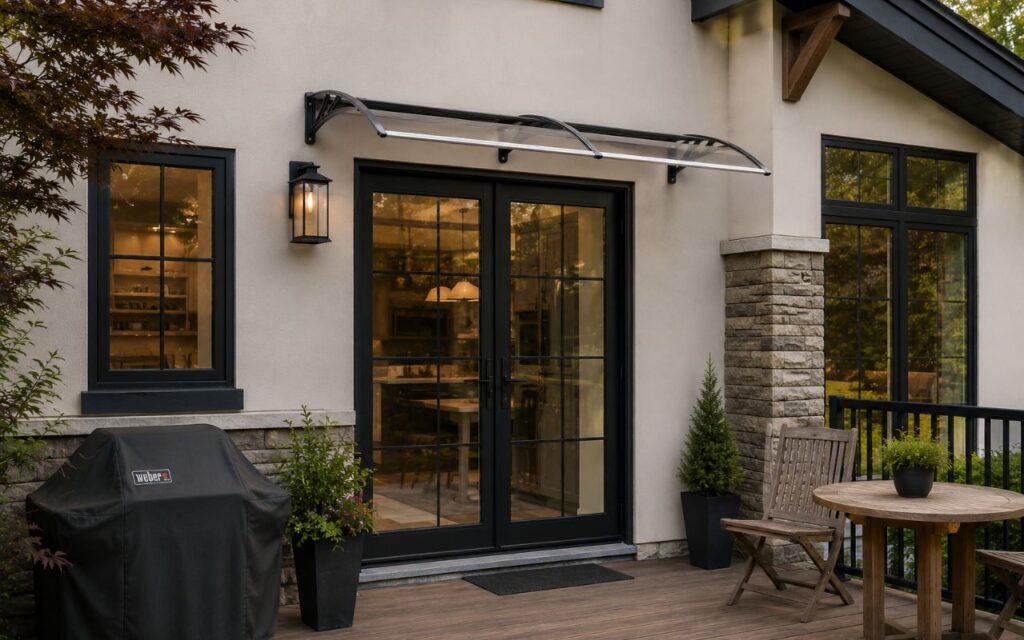
What Size Awning Do I Need for My Door?
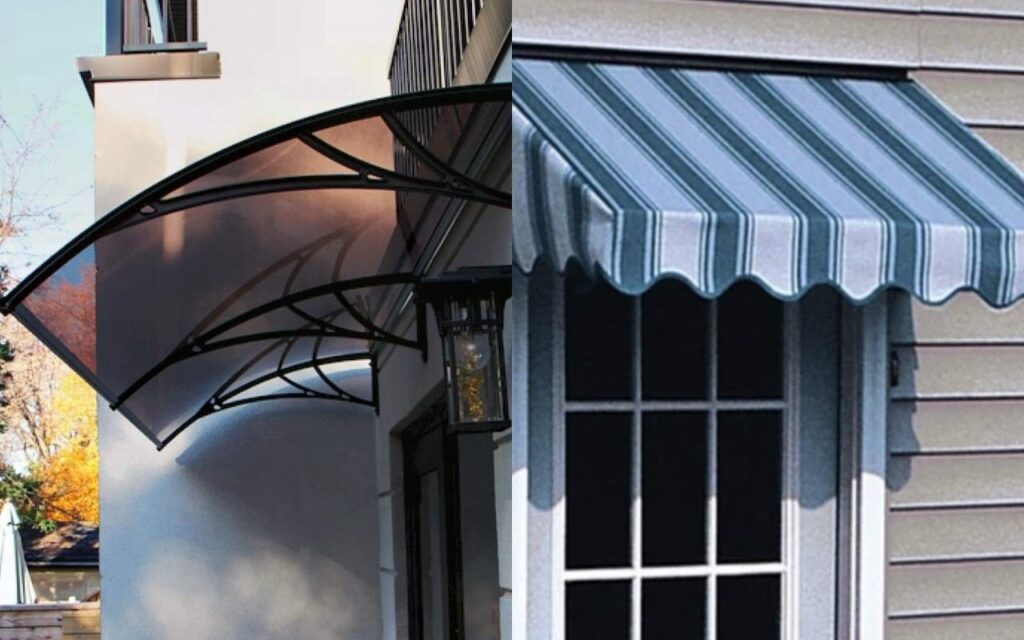
Polycarbonate vs. Fabric Awnings – What’s the Difference?